This collection consists of maritime statistics and analysis reports from the maritime sector. Many are commercially published, available only to researches on campus or authorized via the library proxy server.
All reports are made available for fair use, academic purposes only. Research for commercial purposes is strictly prohibited
Drewry Shipping Insight (series)
UNCTAD Review of Maritime Transport (series)
-
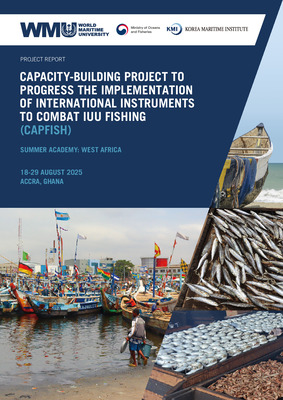
Capacity-Building Project to Progress the Implementation of International Instruments to Combat IUU Fishing (CAPFISH) : Summer Academy: West Africa
World Maritime University, Korea Maritime Institute, and Ministry of Oceans and Fisheries
The CAPFISH Project was created in response to an identified need for capacity-building to address illegal, unreported and unregulated (IUU) fishing and related matters - a complex problem affecting aquatic ecosystems, coastal communities, fishers and fish workers, and economic and national security. Over the last five years, the CAPFISH Project has provided training and educational materials on IUU fishing to developing country administrations around the world, most recently with a two-week regional Summer Academy for West Africa. This Academy ran for two weeks and included delegates from fisheries, maritime and enforcement agencies, industry, maritime training institutions, regional fisheries bodies, and fisher representative organisations in the West African region. Speakers comprised representatives of regional and sub-regional fisheries bodies, UN Agencies working in the region, NGOs, academic institutions, enforcement agencies, and fisher organisations. This report presents summaries of Summer Academy lectures, biographies of speakers, Summer Academy activities, and details of attendees, as well as providing participant breakdowns by gender and region.
-
Charting the distinct rights of sea workers in European waters : a focus on decent working time
María Carrera-Arce, Raphael Baumler, Laura Carballo, and Bikram Singh Bhatia
The document contains three distinct reports:
• The Report 1 ‘Social rights of sea workers in European waters – A Legal study’ discusses sea workers labour regulations in Europe, including cross-sectoral and sector-specific instruments. (pp. 13-68)
• The core of Report 2 ‘Ensuring decent working time for the future – Seafarers under EEA and non-EEA flags’ analyses flags State working-time requirements in the EEA and selected non-EEA jurisdictions. (pp. 69-131)
• The Report 3 ‘A working time comparative analysis – Examples of labour gaps between sea and land workers’ explores in depth working time between sea workers and other occupational groups, along with a discussion on social dialogue on the topic. (pp. 132-210)
-
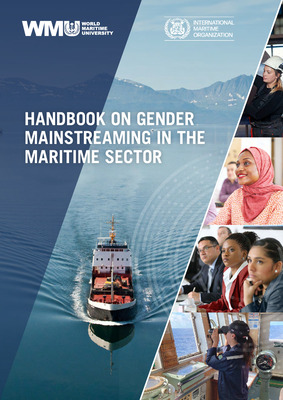
Handbook on gender mainstreaming in the maritime sector
Momoko Kitada
This handbook aims to serve as an introductory practical guide for maritime organizations that intend to apply gender mainstreaming. It guides them in critically reviewing their policies and practices from a gender and diversity lens. Some organizations may view their maritime operations as having nothing to do with gender and, therefore, not requiring any gender considerations. Such mindsets are good signs that an organization would benefit from gender mainstreaming. Others may view the fact that their organizations have women working in every unit as evidence of gender equality and see no need for further action. Gender mainstreaming can help identify gaps and areas for further improvement in organizations, which contributes to making maritime professions attractive and sustainable. This handbook uses cases and examples of maritime organizations and operations and translates the universal language of gender mainstreaming into maritime-focused and maritime-relevant resources which will be beneficial for all maritime stakeholders.
-
The Global Onboard Training Programme (GOBT) : a comprehensive review
World Maritime University
A stable supply of qualified seafarers is a critical component of the global maritime logistics industry, which relies heavily on maritime transportation. According to the 2021 BIMCO Manpower Report, an additional 89,510 officers will be needed by 2026. In 2021 alone, there was already a deficit of 26,240 STCW-certified officers, clearly indicating that demand continues to outpace supply. The report also noted a 45.8% increase in the number of female seafarers since 2015, although they still represent only a small share of the overall workforce. Maritime Education and Training (MET) institutions around the world continue to provide training to develop competent and qualified seafarers. However, some IMO member states face significant challenges in meeting the STCW Convention (1978, as amended) requirement of 12 months of approved seagoing service. A major obstacle arises when MET institutions do not have access to a training ship or do not operate their own merchant fleet, making it physically impossible to meet the mandated seagoing requirements. As previously mentioned, the global shortage of certified officers makes these limitations a direct barrier to producing qualified seafarers. In addition, the maritime sector still suffers from a shortage of female professionals, and new female entrants often face further constraints due to various structural and social factors. This report, jointly prepared by WMU and KIMFT, shares the achievements of the GOBT programme over the past five years and explores approaches for ensuring its long-term sustainability.
-
CAPFISH Project Report : Summer Academy for the Pacific Islands
Kathleen Auld, Francis Neat, and Raphaël Baumler
The CAPFISH Project was created in response to an identified need for capacity-building to address illegal, unreported and unregulated (IUU) fishing and related matters - a complex problem affecting aquatic ecosystems, coastal communities, fishers and fish workers, and economic and national security. Over the last four years, the CAPFISH Project has provided training and educational materials on IUU fishing to developing country administrations around the world, most recently with a two-week regional Summer Academy for the Pacific Islands. This Academy ran for two weeks and included delegates from fisheries, labour, safety, maritime, foreign affairs, and enforcement administrations in the Pacific Islands region. Speakers comprised representatives of regional and sub-regional fisheries bodies, UN Agencies working in the region, NGOs, academic institutions, enforcement agencies, and independent regional experts. This report presents key takeaways from Summer Academy lectures, biographies of speakers, and details of attendees, as well as providing participant breakdowns by gender and region.
-

Charting the course : the role of IMO within the UNCLOS legal framework in tackling challenges of contemporary shipping
M. C. Romero, R. Beckman, T. Nguyen, J. Ong, and G. Theocharidis
This report documents the proceedings of the two-day workshop, "Charting the Course: The role of IMO within the UNCLOS legal framework in tackling challenges of contemporary shipping," jointly organized by the World Maritime University (WMU) and the Centre for International Law (CIL) of the National University of Singapore (NUS). The event took place in Malmö, Sweden, from June 9 to 10, 2025.
The central theme was the complementary relationship between the 1982 United Nations Convention on the Law of the Sea (UNCLOS) and IMO regulations, with an emphasis on the flag State’s duties under UNCLOS Article 94. The workshop’s core focus was the threat posed by the "dark fleet" (or "shadow fleet"), associated fraudulent ship registration practices, the breaking of submarine cables and pipelines by merchant vessels, and possible measures by coastal States to prevent illegal operations of the "dark/shadow fleet”.
-
Global green shipping development report
Shanghai International Shipping Institute (SISI) and World Maritime University
The report "Global Green Shipping Development Report (2024-2025)" co-developed by the Shanghai International Shipping Institute and the World Maritime University, aims at tracking the latest progress of global green shipping policies and emission reduction technology development, providing reference for port and shipping enterprises to adjust their business strategies and choose appropriate emission reduction paths in a timely manner, while enhancing public awareness of the green transformation of the port and shipping industry, promoting more stakeholders to pay attention to, explore, and invest in practical actions for green port and shipping transformation. This report mainly reflects the development of global green shipping from January 2024 to September 2025, and is divided into five chapters. The first chapter focuses on the release and impact of global green shipping rules during this period; Chapter 2 outlines market mechanisms for advancing green shipping development and the progress of establishing green shipping corridors; Chapter 3 introduces the development of major clean energy sources and supporting facilities for ships; Chapter 4 introduces the development of energy-saving and emission reduction technologies for ships; Chapter 5 evaluates the current development status of global green shipping and provides prospects for future trends in green shipping.
-
In search of a sea-life balance in an adverse environment : understanding seafarers' life, work and turnover
Bikram Singh Bhatia, Raphael Baumler, and Maria Carrera-Arce
The Officers’ Union of International Seamen (OUIS) commissioned the World Maritime University (WMU) to conduct the Work & Health Balance at Sea (WHEAB) project to examine some dimensions of seafarers’ working lives.
Building on exploratory interviews, a survey was designed and administered. The current report presents findings on work patterns (onboard and home periods), working hours, work-related stress, safety management system, shore leave, mental well-being, and career intention.
The survey gathered responses from 4,372 seafarers, mainly from India (n=1,098; 25.1%), the Philippines (n=690; 15.8%), the United States (U.S.) (n=501; 11.5%), and other worldwide regions (n=2,083; 47.6%). The overrepresentation of U.S. seafarers, especially at higher ranks, was intentional, as this group was the primary target.
Key findings for U.S. seafarers compared to the total sample are summarised below:
Work pattern
- U.S. seafarers averaged 3.7 months per contract and expressed a preference for shorter onboard periods (2.8 months). For comparison, the global average is 5.7 months onboard period, with a preferred period of 4.5 months.
- On average, U.S. seafarers spent about 6.5 months at sea per year, but would appreciate a 13% reduction in their annual sea time. On the other hand, the world average was reported at 7.3 months at sea per year.
Working hours
- U.S. seafarers reported the longest weekly hours (79 hours per week), with 94.8% having no weekly day off. The global average was 71.3 hours per week, with 86.2% of seafarers having no day off per week.
- About half of U.S. seafarers (52.9%) admitted adjusting work/rest records to cover the violation. In the overall sample, 64.0% of seafarers reported adjusting their records, demonstrating a stark stability over the last two decades.
- On a yearly basis, seafarers reported working more or far more than their shore counterparts. U.S. seafarers reported working an average 2,225 hours per year, which is similar to other seafarers (2,275 hours) but 26.1% higher than the average U.S. shore workers (1,765 hours per year).
Work-related stress
- U.S. seafarers reported marginally higher stress levels than other groups. Worryingly, one-third of U.S. seafarers exhibited stress levels considered severe and potentially dangerous (33.9%), close to the global average of 32.8%.
- U.S. seafarers identified ship inspections as the primary stressor, followed by onboard administrative duties, company communication, and port-related activities. This order of stressors was quasi-similar for all seafarers.
Safety Management System (SMS)
- U.S. seafarers reported the most negative experiences across all measured SMS dimensions compared to other groups.
- 79.0% of U.S. respondents declared their SMS as too long, compared to 66.0% of the total sample.
- Two-thirds (66.3%) of U.S. seafarers found SMS procedures generic and not ship-specific; similarly, 60.6% of global seafarers confirmed this.
- 71.0% of U.S. seafarers reported that their SMS did not reflect shipboard realities, considerably higher than the global average (45.1%).
- Furthermore, 68.6% of U.S. seafarers considered SMS difficult and paperwork excessively time-consuming, compared to 59.3% globally.
- About half (51.6%) of U.S. seafarers had submitted feedback to improve SMS; among them, 64.9% reported that their input was not taken seriously. Globally, 48.2% reported that their input was not considered.
Shore leave
- While shore leave access seemed comparatively better for U.S. seafarers than for seafarers overall, it remained severely restricted in both groups, with 68.5% vs. 76.9% reporting that they “never” or “rarely” go ashore.
- Workload and insufficient port time remained the top barriers across the U.S. and other groups.
Mental well-being
- The WHO-5 questionnaire revealed that nearly half (48.2%) of U.S. seafarers reported poor mental well-being, well above the average (37.2%) and the general population.
Career intention
- Worryingly, nearly half of the whole sample expressed the intention to quit seafaring within the next five years by exhibiting various stages of preparation.
- Less than half of U.S. seafarers (40.2%) intended to stay in a sea career over the next five years, slightly lower than the overall sample (45.2%).
- Notably, poor mental health was common reported by U.S. seafarers planning to quit (65.3%) compared to those intending to stay (34.9%).
Overall, the findings reveal a severe crisis across the seafaring workforce, with U.S. seafarers appearing particularly affected by significant occupational challenges.
While U.S. seafarers benefit from shorter contracts, this advantage is hampered by excessive workloads, demanding administrative burdens, extended work hours, high work stress, and severely limited shore leave. The combined effects of inspection pressure, administrative burden, and challenging communication with companies dangerously elevate unsustainable stress levels among seafarers, particularly U.S. seafarers. The impacts of such high stress are confirmed by widespread reports of poor mental well-being, potentially leading to mental health troubles.
Work-related factors and dissatisfaction with well-being trigger an alarming response among seafarers, with nearly half intending to exit the industry in the near future.
Addressing job stress and pressure is critical to safeguarding seafarers’ health and well-being and to ensuring the sustainability of the maritime workforce.
Without serious, immediate consideration for seafarers’ welfare, the shipping industry as a whole, and the U.S. maritime sector in particular, may face a recruitment crisis and the loss of vital operational know-how.
-
In search of a sea-life balance in an adverse environment : understanding seafarers’ life, work and turnover : phase one: interview results
World Maritime University
This report constitutes the qualitative part (i.e Phase One) of the research project “Work & Health Balance at Sea” (WHEAB). It explores the experiences of 20 officers and engineers, primarily from the United States, across eight core areas.
-
Shore leave : rare, brief and in danger of extinction
Maria Carrera-Arce, Raphael Baumler, Bikram Singh Bhatia, and Lei Du
Shore leave for seafarers is generally accepted as a custom, if not a right, essential for well- being and pressure relief from the responsibilities of life on board. However, it is clear that the ability of seafarers to take shore leave has been seriously eroded and may even be facing extinction.
The combination of workload on board and limited time in port make it virtually impossible for seafarers to make time for shore leave. Commercial pressures have increased, and there is a serious risk that facilities available for seafarers will decline due to a lack of demand.
The culprits are multiple. Without sufficient crew on board to cover the workload, companies fail to create schedules that allow for shore leave. Increasing numbers of inspections add to the burden. Port states can focus on security and efficient port operations without any compulsion to facilitate leave for foreign crew. The lack of easily accessible facilities and high transport costs dampen demand for shore leave, and seafarers themselves make the rational choice to stay on board. The fact that there is no single point of responsibility for the problem makes it challenging, but not impossible, to focus on effective solutions.
The purpose of this research is to quantify the current levels of shore leave in terms of frequency and length of time spent ashore and to identify the barriers.
The survey benefits from a significant and representative sample size of 5,879 valid responses. It indicates that more than a quarter of seafarers do not get any shore leave at all, and a third have only one or two incidents of shore leave over the period of their contracts (6.6 months average).
When they do manage to take shore leave, 47% of those responding affirmatively spent less than three hours ashore, and 46.5% between three and six hours.
The negative results were strongly correlated with the vessel types of offshore vessels and tankers. Not surprisingly, cruise ships and passenger ship crews were less adversely impacted.
Officers reported going ashore less often than ratings and other ranks.
The depth of feeling on the subject from seafarers is evident from their responses to the open questions. Many focused on port state bureaucracy and security restrictions, while others highlighted the impossibility of balancing work/rest hours, watches, and compulsory overtime.
At a time when mental health and well-being are recognised as important considerations for seafarers’ health and safety on board, access to shore leave should be promoted to ensure the safe management of the vessel.
Further, given the looming crew shortages, affording decent opportunities for relaxation from work should be a priority for attracting and retaining crew.
All stakeholders, from flag States to port States, agents to shipping companies and seafarers themselves, need to recognise that the current regime is leading towards the extinction of shore leave as a viable concept. All parties need to collaborate to ensure that this vital component of life at sea is maintained and expanded.
-
The Arctic Ocean region : biodiversity, governance and protective measures
Antonios Andreadakis, Graeme Chesters, Dimitrios Dalaklis, and 90 North Foundation
EXECUTIVE SUMMARY
• The Arctic Ocean region stands at the forefront of global environmental transformation, serving as a harbinger of climate change and a frontier for emergent geopolitical and economic interests.
• The Arctic region's economic potential, particularly in shipping and resource extraction, appears to offer shorter trade routes, reduced fuel consumption, and increased access to high-value resources. However, this analysis largely ignores the complex geo-physical, environmental and geographical limitations of the region.
• The fragility of Arctic Ocean ecosystems – characterized by slow ecological recovery, specialised biodiversity, and extreme environmental conditions – renders them especially vulnerable to anthropogenic disturbances.
• Indigenous communities who have sustainably inhabited and stewarded the Arctic for millennia, face existential threats to their food security, cultural continuity, and territorial sovereignty.
• The expansion of industrial-scale operations, often undertaken without sufficient Indigenous consultation or inclusion, risks marginalising these knowledge systems and exacerbating socio-environmental inequities.
• As the Arctic Ocean confronts unprecedented environmental, geopolitical, and economic pressures, the imperative to develop a cohesive and adaptive marine protection strategy has become increasingly urgent.
• The Particularly Sensitive Sea Area (PSSA) mechanism, while primarily concerned with mitigating threats from international maritime activities, possesses significant potential as a cornerstone of Arctic Ocean marine governance.
• Given the multiplicity of threats and actors involved, there is an urgent need for an integrated governance strategy drawing upon existing designations (i.e. Ecologically and Biologically Significant Areas), and consideration of new PSSAs and Marine Protected Areas (under the Biodiversity Beyond National Jurisdiction Agreement), to create a next-generation of Arctic Ocean-specific agreements following the Central Arctic Ocean Fisheries Agreement.
• The development and implementation of such tools, co-ordinated under a unified vision for Arctic Ocean resilience, offers a viable path forward. Through such an integrated regime – anchored in precautionary principles, ecological science, and cultural respect – the Arctic Ocean can remain not only a repository of biodiversity but also a space for peace, collaboration, and sustainable development.
-
The future of shipping at the biodiversity-climate nexus : round table report
Mary S. Wisz, Fabio Berzaghi, Mikaela Gomez, Maud C. Quinzin, Renis Auma Ojwala, and Emily Nuckolls
This report presents the outcomes of a cross-disciplinary Round Table hosted by the World Maritime University (WMU) from May 13-15, 2024, in Malmö, Sweden. The event brought together 51 experts from academia, industry, NGOs, and international organizations, including the IMO, to explore shipping’s role at the biodiversity-climate nexus. The Round Table had a particular focus on the impacts of shipping that are currently unregulated or under-regulated, and opportunities to address biodiversity loss and pollution as the sector decarbonizes. The report highlights the need to apply comprehensive, ecosystem-based approaches to effectively manage shipping's impacts, including cumulative impacts, on the environment, people, and ecosystem services. It calls for strategies to break down governance and management silos. It identifies important knowledge gaps to be filled across disciplines, and over 100 environmental, social and governance indicators to track progress. It presents opportunities for stakeholders to take early action to address biodiversity loss and pollution, now, as the sector decarbonizes. It emphasizes the critical role of indigenous peoples and local communities, and includes a roadmap for the sector from 2025-2040.
-
CAPFISH Project Report : Phase 1 Outcomes and Summer Academy for the Mediterranean
World Maritime University
Illegal, unreported and unregulated (IUU) fishing is a complex and multifaceted problem, with disastrous consequences for aquatic ecosystems, coastal communities, fishers and fish workers, and economic and national security. Over the past three years, the CAPFISH Project has strengthened capacity to fight IUU fishing by providing training and educational materials to developing country administrations around the world, most recently with a two-week regional Summer Academy for the Mediterranean. The Academy ran for two weeks and targeted delegates from fisheries administrations in developing countries in North Africa, the Middle East, and Southeast Europe, as a way to promote inter-regional learning and regional cooperation to fight IUU fishing. This report details the outcomes of the Summer Academy as well as the first phase of the CAPFISH Project (2021-2023). The first part of the report contains key takeaways from Summer Academy lectures, biographies of speakers, and details of attendees. The second part discusses the aims and objectives of the Project, and provides a synthesis of Project activities to date, including workshops, publications, and information on our global networks.
-
Decarbonization roadmap for the domestic fleet of the Republic of Korea
World Maritime University
The Zero Emission of Domestic Shipping in the Republic of Korea (ZED-PK) project is an ambitious initiative aimed at enhancing energy efficiency and developing a path towards zero emissions for the domestic shipping fleet in the Republic of Korea. ZED-PK encompasses a systematic and transdisciplinary approach involving multiple stakeholders. The project is structured into three phases, each dedicated to progressively advancing the decarbonization efforts within the maritime sector.
Domestic shipping is integral to the Republic of Korea’s economy, but contributes significantly to air pollution and GHG emissions. The sector’s emissions pose environmental risks, human health threats, and additional external costs, necessitating urgent measures to mitigate these impacts. This context underscores the importance of the ZED-PK project, which seeks to transform the domestic shipping fleet into a model of sustainability, thereby reducing emissions and enhancing the overall resilience of the Republic of Korea’s maritime industry. Phase one of the ZED-PK project, which is given in this report, focuses on analysing the current state of the domestic shipping industry concerning energy efficiency and GHG emissions. The methodology includes collecting data on domestic fleet characteristics, routes, and fuel consumption. The data was used to map fuel and energy consumption patterns. An extensive literature review was conducted on global decarbonization technologies and policies, followed by expert consultations to assess the maturity and feasibility of various technologies. A life-cycle assessment (LCA) of vessels of varying sizes was performed to understand emissions across their lifespans. Finally, a scenario analysis projects the future fleet performance under different fuel options.
The analysis revealed significant opportunities to enhance energy efficiency and reduce emissions in the domestic shipping sector. The research identified short-term measures, such as operational improvements and the adoption of existing energy-efficient technologies, which can yield immediate reductions in fuel consumption and emissions. For the medium-term and long-term, the study proposes a comprehensive roadmap that includes advanced vessel designs, integration of zero-carbon fuels like hydrogen and ammonia, and the development of supportive infrastructure. This roadmap aligns with both national and international climate goals, aiming for a 40% reduction in GHG emissions by 2030 compared to 2018 levels, and a 70% reduction by 2050. The forthcoming phases of the ZED-PK project (phases two and three) will expand the scope to include the decarbonization of shipyards and ports, crucial interfaces with the domestic shipping fleet. Phase two will examine the current state of energy efficiency and emissions at ports and shipyards, proposing practical and cost-effective solutions for their decarbonization. Phase three will focus on the implementation of a Green Corridor, selecting specific ships, ports, and shipyards to pilot the recommended measures and technologies. This phase is intended to create a sustainable model that can be replicated across the maritime sector, further accelerating the Republic of Korea’s transition to a zero-emissions fleet.
-
Effects of the COVID-19 crisis on seafarers and shipping
Raphael Baumler, María Carrera-Arce, Johan Hollander, Magnus Broström, and Karolina Stark
The report is a testament to the remarkable resilience of the ships and port interface, and the adaptability of port workers and seafarers during the COVID-19 crisis. It also brings to light the vulnerabilities and trends within the sector. The ability of these workers to manage the shockwave ensured that trade flow continued, sustaining the world. However, this period had severe impacts on their livelihoods, starkly highlighting the industry’s inadequate consideration of its human element and the rapid pace of digitalization. The research employed a unique combination of quantitative and qualitative approaches to explore and cross-validate information. This included an extensive document review, in- depth interviews, and surveys. The application of concurrent mixed methods research was a key feature to learn from simultaneous data sets, “triangulate” the impact of the COVID-19 pandemic on ports, seafarers, and families, and recommend avenues for improvement. For ports, the consensus was that preparedness and cooperation are essential to address crises, and the workers need the organizations to demonstrate protection in action. Moreover, workers’ flexibility and creativity prove vital to adjust to crises while technology and digitalization support continuing business operations. Finally, any port health measure needs to assess and monitor the impact on seafarers. For sea workers, the agreement was that COVID-19 has impacted every corner of work and life at sea. The short- and long-term impacts are making visible, including an unmanageable work burden, more tired and unhappy crews, less safe working environment, a high willingness to quit the seafaring profession and a pessimistic forecast of the welfare conditions of seafarers in the shipping industry. The job uncertainties, onboard hardships and life restrictions must be revised for seafarers, underscoring the need for dedicated effort to boost the workers’ morale at sea, promote health and safety and ensure they continue operating efficiently in times of crisis and beyond. For the shipping industry to better prepare and cooperate in future crises, 1) maritime organizations must enable feedback mechanisms for collecting good practices and knowledge sharing during ongoing crises, and 2) must work towards effectively integrating human factors and social welfare into industry practices and regulations.
-
Manning annual review & forecast 2024/25
Drewry
Manning Annual Review & Forecast Annual 2024/25 provides one of the most complete annual assessments of vessel manning costs available in a single source. Seafarer cost assessments, trends and employment terms are provided for 38 representative ship types, spanning the chemical, container, dry bulk, general cargo, LPG, LNG, offshore, oil tankers, reefers and RoRo sectors. The report also examines current and projected supply and demand for seafarers and the likely impact on skills requirements and wage costs.
- Benchmark crew wages and employment terms - Officer wage rates 2014-2024 and voyage length/leave by nationality covering container, dry bulk, LNG, tankers and offshore support vessels
- Crew budgets - Crewing budgets including wage, victualing, travel and miscellaneous costs, for 38 different vessel types & sizes covering the chemical, container, dry bulk, general cargo, LPG, LNG, offshore, oil tankers, reefers and RoRo sectors
- Employment terms & 5-year cost forecasts - Trends in terms and conditions of service, including voyage length and leave, as well as manning cost forecasts covering the period 2025-2029
- Seafarer supply – Latest trends and projections for seafarer supply, including assessments of key drivers such as occupation and wage rate attractiveness relative to shore-based roles, with forecasts of officer supply to 2029
- Seafarer demand – Latest trends and projections for seafarer demand, including assessment of key drivers such as fleet development by sector, on-board numbers and backup ratios, with forecasts of officer demand to 2029
- Global seafarer supply and demand – Complete analysis and projections for seafarer availability, together with implications for different vessel sectors and overall wage levels, as well as forecasts to 2029
- Country analysis - Seafarer supply 2017-2024, 2024 wage rates breakdown across 10 pay grades, premium rates, pay relative to shore-based roles, seafarer reputation and market sentiment. Data covers Bulgaria, China, Croatia, India, Latvia, Philippines, Poland, Romania, Russia, Ukraine and UK
- Rising seafarer supply regions/countries: Analysis of emerging sources of seafarer supply in Africa and South East Asia. Data covers Indonesia, Myanmar and Vietnam
- Macro risks to seafarer supply and possible solutions
-
Quantifying an inconvenient truth : revisiting a culture of adjustment on work/rest hours
Bikram S. Bhatia, Raphael Baumler, Maria Carrera-Arce, Michael E. Manuel, and Inga Bartuseviciene
-
Towards gender equality in ocean science and ocean governance: Gender equality strategy and action plan for ocean-related institutions
World Maritime University and Fisheries and Oceans Canada
The United Nations Decade of Ocean Science for Sustainable Development (2021–2030), hereinafter ‘the Ocean Decade’, seeks to catalyse transformative ocean science solutions for sustainable development, connecting people and our ocean. To fulfil the Decade’s mission, barriers to achieving gender, geographic, institutional, discipline and generational balance will need to be systematically identified and dismantled if no one is to be left behind.
In this regard, the World Maritime University (WMU) and Fisheries and Oceans Canada (DFO) have been implementing the Empowering Women for the United Nations Decade of Ocean Science for Sustainable Development Programme (the Programme), with the purpose of advancing an alternative, inclusive model to promote gender equality, and the empowerment of women in the sustainable management of the global ocean.
A key output of the Programme is the development of a framework Gender Equality Strategy and Action Plan for ocean-related international institutions, which makes practical and policy relevant recommendations for achieving gender equality in ocean science and science-dependent ocean governance systems in the context of the Ocean Decade.
The goal of the Strategy is to promote gender equality as a central pillar in the secretariats of ocean-related intergovernmental organizations, and potentially other types of organizations, which will guide Member States and enhance synergies and collaboration for transformative actions. To achieve this, gender mainstreaming targets and goals are an important instrument for increasing ocean sustainability and gender equality.
-

A pilot study of passenger vessel casualties
Anish Arvind Hebbar, Serdar Yildiz, Mahmoud Mohamed Attia Metwalli, Nadhir Kahlouche, Jens-Uwe Schröder-Hinrichs, and World Maritime University
Movement of people is poised to be the next big thing in shipping. At the same time, almost 2,000 deaths are believed to occur annually as a result of passenger vessel accidents. A sample of 78 marine safety investigation reports for the period 2010-2021 drawn from the IMO’s marine casualty investigation database were found to have resulted in 319 fatalities and 19 injuries besides total loss of five vessels and material damage to 61 other vessels.
Therefore, this study attempted to look into passenger ship accidents as a whole to identify commonalities and contributing factors that may not be immediately apparent when looking at accidents individually. A particular focus of the study was the human element. IMO Circular MSC-MEPC.3/Circ.4/Rev.1 formed the basis for the taxonomy applied in this study.
The key findings of the study suggest the following: (a) not all human error belongs onboard given that the attribution of human erroneous actions in the analysed sample of passenger ship accidents was around 37% with the remainder attributed to the human element in organisational and management contributing factors, and external agencies; (b) safety off-duty matters equally given that as many as 20-45% of the errors in occupational accidents were linked to the onboard safety culture beyond the seafarers’ watch hours; (c) voyage planning needs preparing given that inadequate attention to safety management contributed nearly 30% in the occurrence pattern of groundings; (d) shore personnel attending to cargo operations and maintenance onboard need crew in attendance given that shore personnel would be unfamiliar with the ship and its work environment, and likely to suffer occupational accidents if left unattended during routine activities, or even during conduct of drills onboard; and (e) survival craft hook needs a relook given the continuing occupational accidents involving the inadvertent release of survival craft during recovery of craft from water.
-
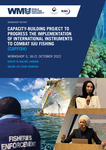
Capacity-building project to progress the implementation of international instruments to combat IUU fishing (CAPFISH) : Workshop 3, 18-21 October 2022
World Maritime University
Illegal, Unreported and Unregulated (IUU) fishing is a complex and multifaceted problem, with dire consequences for aquatic ecosystems, coastal communities, fishers and fish workers, and economic and national security. It particularly affects developing countries, and is estimated to cost the global economy USD 20 billion each year. This represents foregone taxes, license fees, and revenue from resources that could have been legally exploited. Future opportunities are also lost as fish stocks dwindle and collapse, with knock-on socioeconomic effects. As those involved in IUU fishing seek to cut costs wherever possible, and are often involved in other illegal activities, IUU fishing is also associated with human rights violations and poor working conditions, unsafe vessels, and maritime crimes such as drugs smuggling, arms smuggling, and human trafficking. The CAPFISH Project offers training on IUU fishing and tools to address it to those in key positions in developing countries, and fosters networks at regional and international level. This report provides an overview of the third CAPFISH workshop on IUU fishing, and contains abstracts from the presentations, biographies of the speakers and details of the attendees.
-
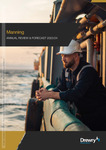
Manning annual review and forecast 2023/2024
Drewry
Manning Annual Review & Forecast Annual 2023/24 provides one of the most complete annual assessments of vessel manning costs available in a single source. Seafarer cost assessments, trends and employment terms are provided for 38 representative ship types, spanning the chemical, container, dry bulk, general cargo, LPG, LNG, offshore, oil tankers, reefers and RoRo sectors. The report also examines current and projected supply and demand for seafarers and the likely impact on skills requirements and wage costs.
- Benchmark crew wages and employment terms - Officer wage rates 2013-2023 and voyage length/leave by nationality covering container, dry bulk, LNG, tankers and offshore support vessels
- Crew budgets - Crewing budgets including wage, victualing, travel and miscellaneous costs, for 38 different vessel types & sizes covering the chemical, container, dry bulk, general cargo, LPG, LNG, offshore, oil tankers, reefers and RoRo sectors
- Employment terms & 5-year cost forecasts - Trends in terms and conditions of service, including voyage length and leave, as well as manning cost forecasts covering the period 2024-2028
- Seafarer supply – Latest trends and projections for seafarer supply, including assessments of key drivers such as occupation and wage rate attractiveness relative to shore-based roles, with forecasts of officer supply to 2028
- Seafarer demand – Latest trends and projections for seafarer demand, including assessment of key drivers such as fleet development by sector, on-board numbers and backup ratios, with forecasts of officer demand to 2028
- Global seafarer supply and demand – Complete analysis and projections for seafarer availability, together with implications for different vessel sectors and overall wage levels, as well as forecasts to 2028
- Country analysis - Seafarer supply 2016-2023, 2023 wage rates breakdown across 10 pay grades, premium rates, pay relative to shore-based roles, seafarer reputation and market sentiment. Data covers Bulgaria, China, Croatia, India, Latvia, Philippines, Poland, Romania, Russia, Ukraine and UK
- Rising seafarer supply regions/countries: Analysis of emerging sources of seafarer supply in Africa and South East Asia. Data covers Indonesia, Myanmar and Vietnam
- Crewing employment best practice: Comparison of compensation schemes, criteria for assessing promotion readiness and performance management
-
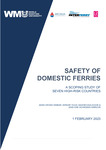
Safety of domestic ferries: A scoping study of seven high-risk countries
Anish Hebbar, Serdar Yildiz, Nadhir Kahlouche, and Jens-Uwe Schröder-Hinrichs
Ferry accidents are fairly common globally, causing countless deaths and injuries. Whereas ferry transportation is an integral part of the domestic transport infrastructure in many countries, particularly archipelagic countries such as Indonesia and the Philippines, river deltaic countries like Bangladesh, countries with extensive riverine systems such as the Democratic Republic of the Congo, Nigeria and Senegal, or even a combination of great lakes, rivers and archipelago such as Tanzania, these countries are experiencing a high number of ferry accidents and fatalities over the past two decades and, therefore, considered high-risk countries in the ferry transport sector. International community continuously seeks to enhance safety in the domestic ferry industry. Thus, a scoping study has been conducted on the safety of domestic ferries in these seven high-risk countries. The study utilizes a structured methodology to identify focus areas in the seven countries for enhancing safety in the domestic ferry sector. The analysis involves past domestic ferry accidents, maritime profile, industry demographics and stakeholder matrix, regulatory and governance climate, political landscape, and amenability to change and external intervention. Eventually, the study proposes a conceptual framework with fifteen distinct criteria, identified against five attributes as an aid to the decision-making in a country for considering a safety intervention with a high likelihood of success and a significant positive impact on safety in the domestic ferry sector. Furthermore, current hazards threatening the safety of domestic ferries and their role in the formation of accidents; key stakeholders of domestic ferry sector and their state of play; national regulations related to the safety of domestic ferries and alignment with the IMO model regulations; national political landscape; state’s willingness to facilitate and receive a safety intervention; and public attitude towards safety are presented in the respective countries using globally recognized indices, questionnaire surveys and personal interviews.
-

Synchromodality as a prospective digitalization scheme for freight logistics : a pre-study report
World Maritime University and Trafikverket
The proliferation of digital technologies presents a potential avenue to transform the freight logistics industry by streamlining the information flow, increasing the flexibility of transportation routes, and creating a more effective and efficient freight logistics system. In an endeavor to gain a comprehensive understanding of the industry’s needs/challenges and to formulate a proficient policy framework to address them, a pre-study was undertaken at the World Maritime University (WMU). This scholarly exploration centered on the concept of synchromodality, which involves the harmonization of different freight logistics modalities.
The study delineates a working definition of synchromodality within the context of freight logistics. Furthermore, it proffers a Synchromodality Maturity Model designed to evaluate the digitalization progress of stakeholders in the industry. This assessment is supported by case investigations into Roll-on/Roll-off logistics in Sweden.
Working Definition: Synchromodality is an operational concept applicable to freight logistics for the purpose of adding value to customers by organizing and utilizing resources in an effective and efficient way, that can be achieved through facilitating integration amongst stakeholders along the logistics chain and enhancing their operational visibility and flexibility.
The outcomes of this study carry noteworthy implications for both policy formulation and industrial implementation. The study advocates that policymakers allocate considerable resources to invest in digital infrastructure and establish standardized data protocols to foster collaborative partnerships. Moreover, logistics service providers are encouraged to pivot their strategies on generating customer value, nurturing collaborative ecosystems, and enhancing human capital in the context of data-centric methodologies.
It is postulated that synchromodality could increase operational efficiency through optimal utilization of transportation resources, improve environmental sustainability, and enhance customer satisfaction. Exploring future studies in this area is required to achieve synchromodality in practice, such as:
- Towards enhancing digital infrastructure for greater freight logistics services
- Towards striving for seamless integration of all stakeholders in freight logistics chains
- Towards facilitating technology adoption in the freight logistics network
This pre-study project was funded by Trafikverket and was supported by various logistics companies, shippers, and academic organizations.
-
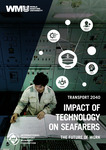
Transport 2040 : impact of technology on seafarers : the future of work
World Maritime University
Through generous funding from the International Transport Workers’ Federation (ITF), the World Maritime University (WMU) has conducted Phase II of the Transport 2040 flagship project, building on the previous Phase I of the project. Phase II offers a further in-depth exploration of a number of maritime issues related to future ship technologies, including automation, and seeks to qualify the probable impact on seafarers.
Recent discussions in the maritime sector have given rise to expectations that automated ships could become operative in the near future, which has prompted the International Maritime Organization (IMO) to initiate a number of activities. Digital smart technologies represent a new wave of opportunities and hold great potential not only for higher productivity and economic growth but also for the improvement of the working conditions and safety of seafarers. As addressed by the Phase I report of the Transport 2040 project, the many challenges associated with this new wave of technology need to be discussed so seafarers can equally benefit from this development. Among the most critical challenges addressed in this report is the acquisition by seafarers of the skills and competencies required by the fast-evolving new technology as well as the protection of their wellbeing in light of the impact these new technologies will have on their profession.